Upholstery Cleaning at ABC
SPECIAL NOTICE!!
ABC will no longer be cleaning residential upholstered furniture in customers' homes.
We will continue to clean residential upholstery in our cleaning plant by appointment only (because of space restraints).
A pick up and delivery service will no longer be provided for upholstered furniture in the home. Please arrange to deliver your furniture to our plant and pick up your cleaned items when done.
If you will need help in off-loading or loading your upholstery, please call or text us first at 607-272-1566 so we can have the necessary people on hand to help.
Commercial cleaning of upholstered furniture in businesses and fraternities and sororities will continue as usual.
We look forward to privilege of continuing to serve the professional upholstery cleaning needs of our residential customers in our cleaning plant.
Major Advances in
Cleaning Methods for Upholstery
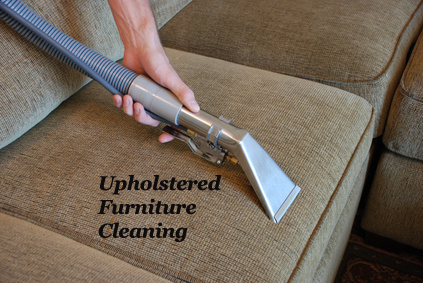
In the last several decades, cleaning tools and equipment have changed dramatically. Upholstery cleaning equipment is designed to produce high heat and lower water pressure, which helps to clean heavily soiled fabrics more safely and efficiently.
Today, the ability to precondition with neutral or acidic upholstery cleaning products and rinse with clear water, acidic rinse agents or special dye stabilizing agents has allowed ABC's upholstery cleaning procedure to combine hot water (steam cleaning) extraction's effectiveness and residue removal benefits with the safety of the most popular methods in the past--dry foam or dry solvent cleaning. Whatever process your furniture needs, wet or dry cleaning, we can provide it.
Stain Protection and Other Topical Treatments After Cleaning?
Stain Protection
An application of stain protection after upholstery cleaning will keep your upholstered furnishings cleaner longer.
Please remember that any after-market treatment of stain protection will wear off in time and the fabric may need to be re-treated after the next cleaning. The length of time between treatments depends on the degree of usage of the piece of upholstery.
Dust Mite Treatment
It is the house dust mite waste or feces, and not the mites themselves that triggers asthmatic and allergic attacks. Research has revealed this trigger is a microscopic protein in the mite excrement called Der p1.
Our dust mite treatment is derived from naturally occurring extracts found in plants and trees. It works by instantly deactivating the allergen Der p1 by denaturing the substance. Eliminating this allergen is the initial priority because the eradication of the dust mite is virtually impossible.
Studies by doctors and universities have demonstrated that when dust mite droppings are treated with the main active ingredient contained in our dust mite anti-allergen treatment, the allergens are physically changed, rendering them permanently harmless to people who display allergic symptoms to dust mite allergens.
Upholstery Cleaning Codes
Cleaning codes are listed on some upholstered items, usually on the decking under the cushions. These codes help identify the type of cleaning process recommended by the manufacturers to be used on the fabrics. (Please note: do not confuse this with the white 'do not remove' tag found on many pieces. This tag describes the inside stuffing of the item, not the fabric covering). While the codes serve as a general guideline for cleaning, they may not always be the optimum solution.
Four common codes can be listed by manufacturers which represent cleaning instructions and colorfastness of the dyes:
- 'S' code assures that dyes are stable to dry (solvent-based) spotters or cleaners. These should be cleaned with a dry-cleaning solvent method.
- 'W' code means the dyes are stable to water-based spotters and cleaners.
- 'W/S' signifies dyes are stable to water or solvent-based spotters or cleaners.
- 'X' code indicates dyes are not stable to either water or solvent-based spotters or cleaners and should only be thoroughly vacuumed on a regular basis.
Our Procedure for
Cleaning Upholstery
At ABC, our upholstery cleaning process involves carefully identifying each fabric type, through positive testing, to determine which cleaning method will provide the best cleaning results to you and still be safe for your upholstered fabric.
Your upholstery will go through a thorough investigation for the possibility of 27 specific pre-existing conditions. A complete inspection of your upholstery can reveal the age of the piece, upholstery cleaning history, consumer spotting, special problems, etc., regardless of the primary reason for the cleaning.
It is important to check the arms, skirts, cushion shrinkage, pilling, buttons, bleeding, color loss, holes, rips, tears, spots and stains, quilting, zippers, platform, wood trim, hair, oil, foam, sub-fabric, ink on the fabric, latex, color differences, and other hidden and surface areas of the upholstery. The care taken before the cleaning process begins reduces mistakes and losses that could occur otherwise.
DISCLAIMER
Unfortunately, most manufacturers of upholstered furniture give little consideration to the fact the fabric will ever be cleaned. Because of this, we cannot guarantee the results. There can be no guarantee regarding shrinkage, fugitive colors, fabric separation, change in texture, or any resulting unforeseen problems occurring from soil resistant treatments and conditions which cannot be anticipated as well as any problems that may arise from previous cleanings over which we had no control.
Cushion Caution!
If you plan on bringing cushions to our plant, please Do not remove the fabric covering from the cushion itself before cleaning. Cushions and upholstered furnishings should be cleaned with the fabric and foam or other stuffing material intact. This is in order to maintain their original shape and size.
Care of Upholstered Furnishings Between Cleanings
Upholstered furnishings can accumulate soil rapidly. Soil buildup is due to oils, dander, and soil from contact with human and animal skin and hair. Dander and soil can be removed by vacuuming the furniture regularly. Areas that receive heavy soiling are typically cushions, arm rests, skirtings, and headrests. Frequent attention to these areas will reduce the chances of excess soiling.
Spots and spills should be addressed as they occur using only the proper spotting compounds and procedures. Please call our office for information on proper spotting methods for upholstery at (607) 272-1566. You may also contact us here.
Rotating cushions and utilizing arm covers and/or head covers will prevent premature wear and prolong the fabric's life. A professional cleaning and the application of a stain protector after the cleaning will assure your upholstery will be protected from permanent damage from any accidental spills.
CALL or TEXT ABC - (607) 272-1566
Please call or text our office if you have any questions about the cleanability of your upholstered furniture.
If you are looking for an upholstery fabric that would work in a home with pets, please read our article, Pet Friendly Upholstery Fabric.
Leather upholstery cleaning as well as types of leather upholstery and general maintenance of each is discussed in Leather Upholstery Cleaning.
For thorough upholstery ID information, please see Upholstery Fabric ID.
"The Cleanest Clean You've Ever Seen."
by
ABC Oriental Rug & Carpet Cleaning Co.
130 Cecil Malone Drive Ithaca, NY 14850
607-272-1566


Click Here for Directions to Our Facility in Ithaca, NY
HOURS:
Mon - Thurs: 8:00 - 5:00
Fridays 8:00 - 4:30
Saturdays 10:00 - 1:00
Check out our latest Newsletter here...

New informative articles every month.
Special Discounts!
Sign Up With the Button Below:
UPHOLSTERY CLEANING-TABLE OF CONTENTS
Upholstery Cleaning in Our Plant or at Your Business
Major Advances in Cleaning Upholstery
Stain Protection and Other Topical Treatments After Cleaning?
Care of Upholstered Furniture Between Cleanings
Be sure to Sign up Below so you don't miss any special discounts or promotions from us.
Our blog content can also be sent directly to your inbox.
Blog content will be published periodically and will include only useful and interesting information, carefully chosen specifically for our customers.
You may opt out at any time.